
ترك رسالة
إذا كنت مهتمًا بمنتجاتنا وتريد معرفة المزيد من التفاصيل، فيرجى ترك رسالة هنا، وسوف نقوم بالرد عليك في أقرب وقت ممكن.
شبكة تصريف المياه المركبة مقابل نظام تصريف المياه التقليدي بالحصى: أيهما أكثر عملية؟
شبكة تصريف جيومركبة
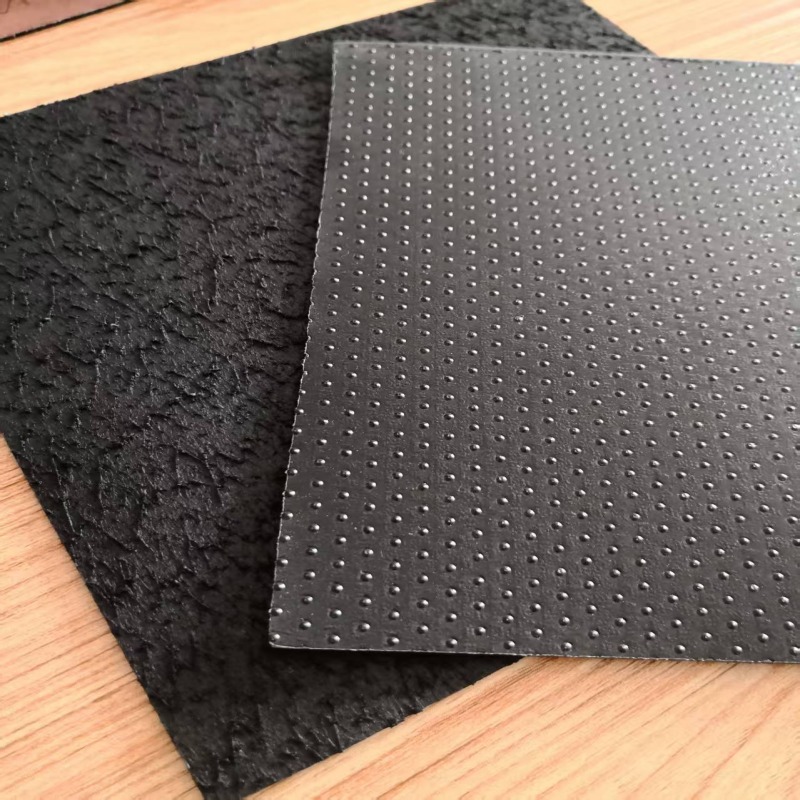
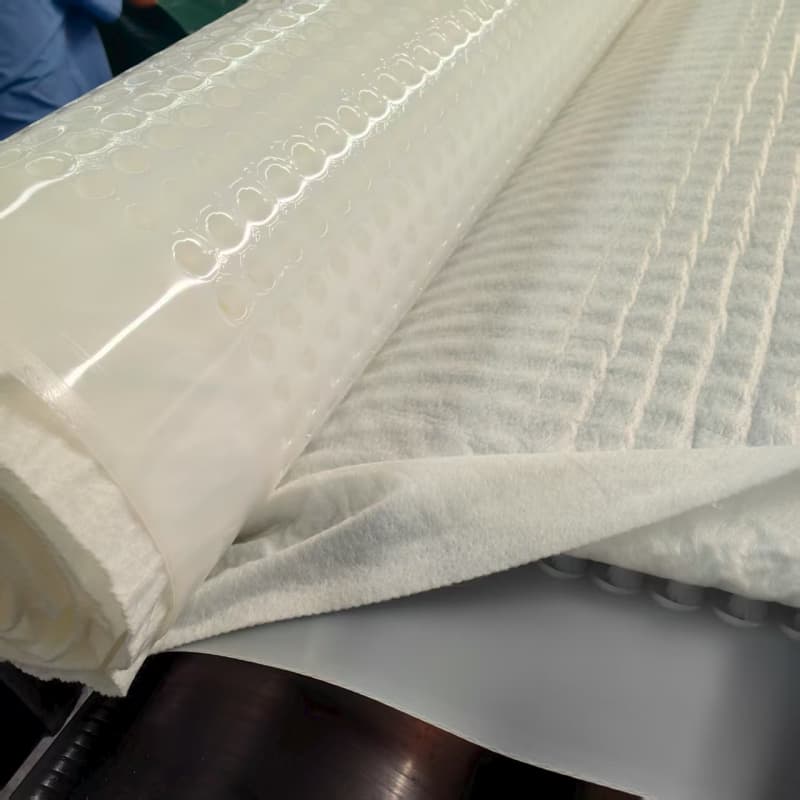
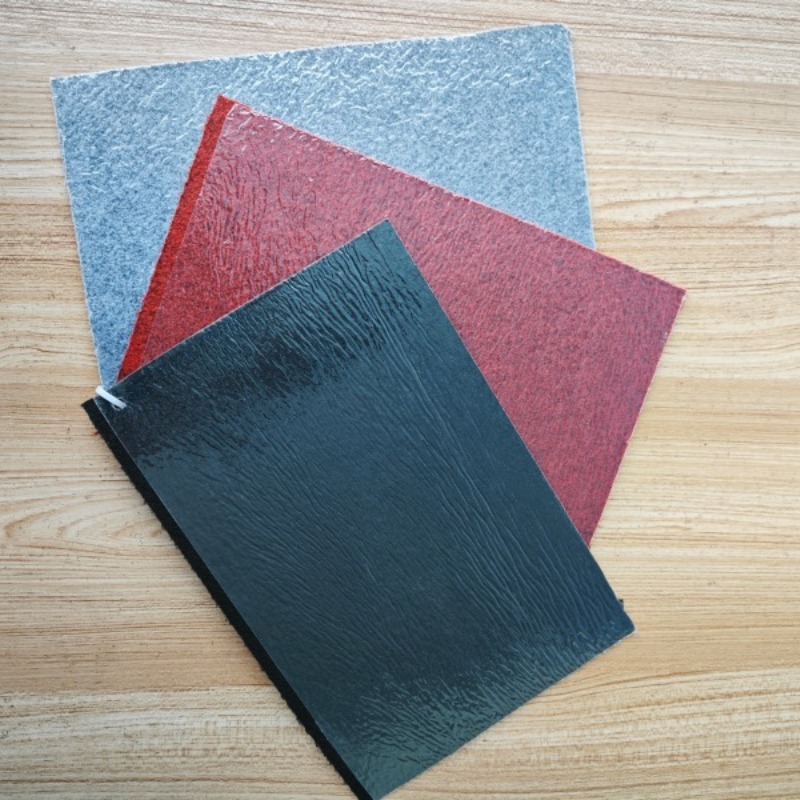
شبكة تصريف جيولوجية مركبة هو منتج تصريف جيوسينثيتيكي يتكون من لب تصريف مُدمج مع طبقات ترشيح من النسيج الأرضي. يُنشئ لب التصريف مسارات تدفق مستمرة للسوائل، بينما تُساعد طبقات النسيج الأرضي على منع جزيئات التربة من دخول بنية التصريف.
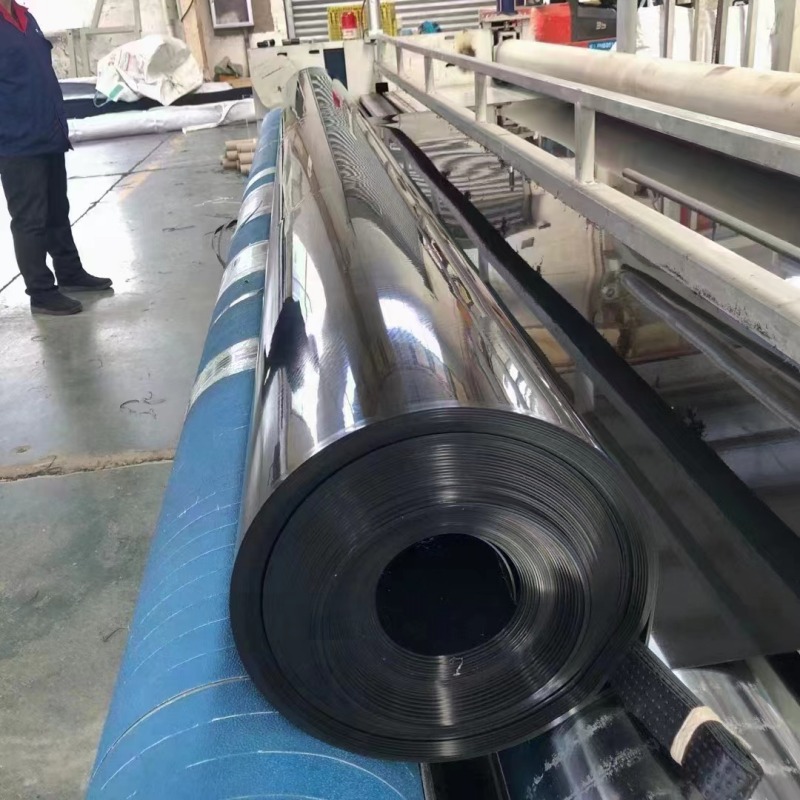
على عكس الركام السائب، تُورَّد شبكات الصرف الجيومركبة عادةً على شكل لفائف. ويمكن تركيبها وتداخلها وتثبيتها وفقًا لتصميم المشروع دون الحاجة إلى نقل ووضع كميات كبيرة من الحصى في الموقع.
هذا الهيكل يجعل شبكات الصرف الجيومركبة مفيدة بشكل خاص حيث يكون سمك المواد أو سرعة التركيب أو المساحة المتاحة من الاعتبارات المهمة.
تصريف الحصى التقليدي
تستخدم أنظمة تصريف المياه التقليدية المصنوعة من الحصى أو الركام المتدرج لإنشاء طبقة ذات فراغات مترابطة. يتحرك الماء عبر هذه الفراغات، مما يسمح لطبقة التصريف بتجميع السوائل ونقلها.
هذه طريقة بناء راسخة ولا تزال تستخدم على نطاق واسع في الطرق والأساسات وخنادق الصرف الصحي والعديد من تطبيقات الهندسة المدنية الأخرى.
مع ذلك، يتطلب تصريف المياه بالحصى عادةً طبقة تصريف سميكة نسبيًا، ويشمل ذلك نقل المواد وتفريغها ونشرها وتسويتها. لذا، فإن ظروف النقل ومساحة العمل المتاحة قد تؤثر بشكل مباشر على كفاءة البناء.
| غرض | شبكة تصريف جيومركبة | تصريف الحصى التقليدي |
| بناء | لب الصرف + نسيج أرضي | الحصى أو الركام المتدرج |
| تثبيت | الفتح والتداخل والتثبيت | التوصيل، والتوزيع، والتسوية |
| الترشيح | يمكن دمجها مع النسيج الأرضي | يتطلب طبقة ترشيح منفصلة |
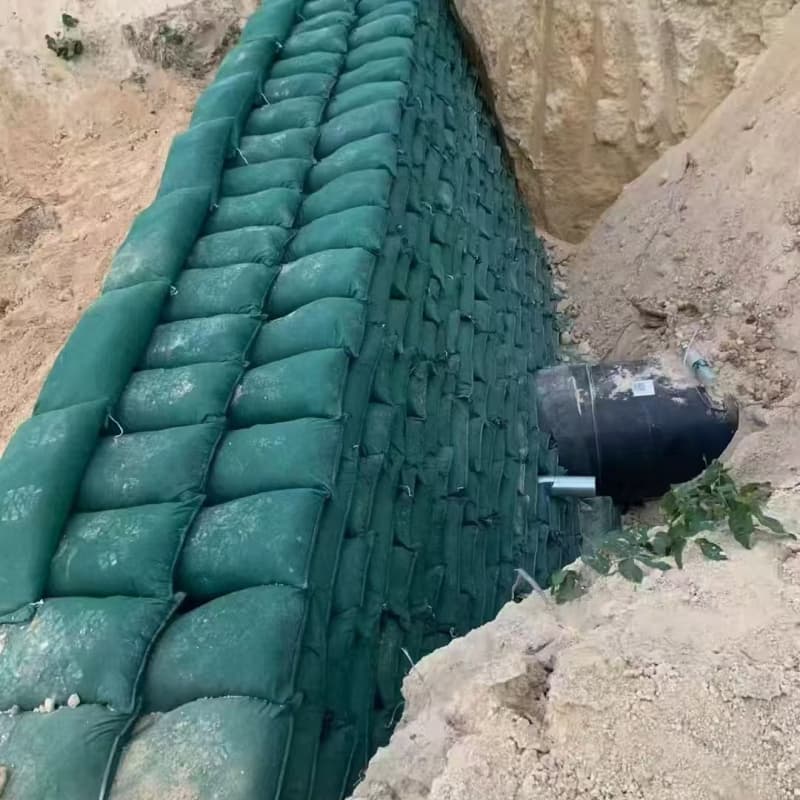
| التطبيقات النموذجية | مدافن النفايات، والهياكل الاستنادية، والأنفاق، وما إلى ذلك. | الطرق، والأساسات، وخنادق الصرف، وما إلى ذلك. |
| الميزة الرئيسية | خفيف الوزن، رقيق، وسهل التركيب | طريقة راسخة باستخدام مواد متوفرة على نطاق واسع |
مع ازدياد حجم المشاريع وتزايد متطلبات ظروف البناء، تحظى بعض القيود العملية لتصريف الحصى التقليدي باهتمام أكبر.
الاعتبار الأول هو النقل.
تتطلب طبقة تصريف كبيرة من الحصى كميات كبيرة من الركام. وعندما يكون المشروع بعيدًا عن مصدر الركام أو يصعب الوصول إليه عبر الطرق، فإن نقل كميات كبيرة من الحصى قد يزيد من متطلبات الخدمات اللوجستية وإدارة الموقع.
تُورَّد شبكات الصرف الجيومركبة على شكل لفائف. ويمكن تغطية مساحة صرف كبيرة باستخدام شكل شحنة مضغوط نسبيًا، مما يُسهِّل النقل والتخزين.
الاعتبار الثاني هو المساحة.
يتطلب تصريف الحصى سماكة كافية لتكوين طبقة تصريف فعالة. أما شبكات التصريف الجيومركبة فهي أرق بكثير، مما قد يكون مفيدًا في الأماكن ذات المساحة المحدودة أو عند الحاجة إلى التحكم في السماكة الهيكلية الإجمالية.
الاعتبار الثالث هو كفاءة التركيب.
تتطلب أنظمة تصريف الحصى عادةً التوصيل والتفريغ والفرش والتسوية. أما شبكات التصريف الجيومركبة، فتتطلب بشكل أساسي تركيبها وتثبيتها على شكل لفائف، مما يقلل من كمية المواد السائبة التي يجب التعامل معها في الموقع.
تدمج أنظمة الصرف الجيومركبة الصرف والترشيح في منتج واحد، مما يقلل الحاجة إلى طبقات منفصلة في تصميمات الأنظمة المناسبة. ولذلك، تزداد شعبية شبكات الصرف الجيومركبة، بينما لا يزال الصرف بالحصى شائع الاستخدام. وغالبًا ما يعتمد الاختيار في المشاريع الحديثة على كفاءة البناء، واستغلال المساحة، وتكاليف الخدمات اللوجستية.
عندما يتوفر الركام عالي الجودة بسهولة بالقرب من المشروع وتكون مسافات النقل قصيرة، يُمكن أن يُشكّل الحصى خيارًا عمليًا واقتصاديًا. كما يُمكن أن يكون تصريف المياه بالحصى خيارًا جيدًا عندما تتوفر مساحة بناء كافية ويسمح تصميم المشروع بطبقة تصريف سميكة نسبيًا.
بالنسبة للطرق والأساسات ومشاريع الصرف التقليدية، قد يكون نظام الركام المتدرج مُدرجًا بالفعل في التصميم الأصلي. إذا كان الموقع مُجهزًا بالمعدات والعمالة والمواد اللازمة، فقد لا يكون هناك سبب وجيه لاستبدال أسلوب بناء مُعتمد لمجرد استخدام مادة مختلفة.
يمكن أن تظل أنظمة تصريف المياه التقليدية بالحصى عملية للغاية عندما:
بمعنى آخر، لا يُعدّ نظام الصرف التقليدي بالحصى حلاً عفا عليه الزمن. فعندما تكون الإمدادات المحلية والنقل وظروف الموقع مواتية، فإنه يوفر نظام صرف موثوقًا واقتصاديًا.
يُعدّ مكبّ نفايات ساتون ويك في أوكسفوردشاير، المملكة المتحدة، مثالاً واقعياً على كيفية تقييم فريق هندسي لخيارات تصريف مختلفة لنظام تجميع عصارة النفايات. فبدلاً من الاعتماد فقط على طبقة تصريف تقليدية من الحصى، قارن المشروع بين نظام تصريف الحصى التقليدي ونظام تصريف جيوسينثيتيكي من خلال التقييم الهندسي والاختبارات الخاصة بالموقع.
اعتمد خيار الحصى على الفراغات بين جزيئات الركام لإنشاء مسارات تصريف، بينما استخدم خيار المواد الجيوسينثيتيكية تصريف المياه الجيومركب تم تصميم الهيكل لتوفير مسار تصريف مستمر. وقد روعيت في عملية الاختيار عوامل مثل أداء التصريف، وظروف المنحدر، وسماكة المواد، ومتطلبات التركيب، وظروف الخدمة على المدى الطويل.
يُظهر هذا المشروع أنه لا ينبغي اختيار مواد الصرف الصحي بناءً على سعر الوحدة فقط. بل يجب مراعاة متطلبات المشروع، وظروف الموقع، ومتطلبات البناء، والتكلفة الإجمالية عند اختيار نظام الصرف الصحي الأنسب.
شبكات تصريف المياه المركبة الجيولوجية وأنظمة تصريف المياه التقليدية بالحصى كلاهما حلول هندسية راسخة، لكنهما مناسبان لظروف مشاريع مختلفة.
نظام تصريف الحصى التقليدي يستفيد هذا النوع من البناء من وفرة المواد، وأساليب البناء الراسخة، والخبرة الميدانية الواسعة. وعندما يتوفر الركام بسهولة وتتوفر مساحة بناء كافية، يظل خيارًا عمليًا.
شبكات تصريف المياه المركبة تُعدّ هذه التقنية جذابة بشكل خاص عندما يكون وزن المواد، ومساحة التركيب، وكفاءة النقل، وسرعة البناء عوامل مهمة. ويمكن أن تكون مفيدة بشكل خاص للمشاريع الكبيرة، والمواقع ذات المساحة المحدودة، والتطبيقات التي يصعب فيها نقل ووضع كميات كبيرة من الركام.
بالنسبة للمشترين، فإن السؤال الأهم ليس ببساطة أي مادة "أفضل". بل إن النهج الأفضل هو مراعاة تطبيق المشروع، ومتطلبات الصرف، وظروف الموقع، ومسافة النقل، والتكلفة الإجمالية للمشروع قبل اختيار حل الصرف الأنسب.
يمكن للترشيح أن يمنع جزيئات التربة الدقيقة من الدخول وسد مسار التصريف، مما يساعد في الحفاظ على أداء التصريف.
نعم. يمكنهم توفير بديل حيثما تكون هناك حاجة إلى طبقة تصريف أرق، أو سهولة النقل، أو تركيب أسرع.
ليس بالضرورة. يعتمد الخيار الأفضل على ظروف المشروع، ومتطلبات الصرف، والمساحة المتاحة، وتكاليف النقل والتركيب.
ترك رسالة
Scan to Wechat/Whatsapp :



 English
 Français
 Deutsch
 Русский
 Español
 Português
 عربي
عربي Tiếng Việt
 Indonesia
 हिन्दी



 IPv6 الشبكة المدعومة